
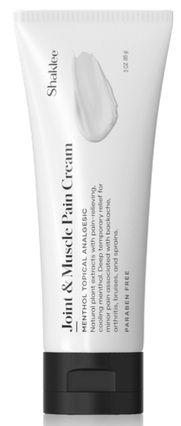
Joint pain has a way of making everything harder. Getting out of bed, climbing stairs, opening a jar, or simply walking to the car can become small daily battles when your knees, hips, or hands are not cooperating. For millions of people dealing with arthritis, inflammation, or general wear and tear, finding reliable relief without relying entirely on oral medications is a genuine priority.
Topical treatments have grown significantly in both quality and popularity over the past decade, and for good reason. Applied directly to the skin over the affected area, they deliver active ingredients right where the problem is, often with fewer systemic side effects than pills taken orally.
How Topical Treatments Work and What to Look For
The most effective topical options work through several mechanisms. Some rely on counterirritants like menthol or camphor, which create a cooling or warming sensation that distracts the nervous system from deeper pain signals. Others use anti-inflammatory compounds like diclofenac, a nonsteroidal anti-inflammatory drug available in topical form, which penetrate the skin and reduce inflammation directly at the site.
Natural ingredient formulations have also gained traction. Arnica, turmeric, and capsaicin, derived from chili peppers, are among the plant-based compounds with real evidence behind them for reducing pain and stiffness. A well-formulated joint pain cream will often combine several of these ingredients to address both the sensation of pain and the underlying inflammation contributing to it.
When evaluating options, pay attention to concentration levels, absorption quality, and whether the product has been independently tested. A well-reviewed formula from a transparent brand will consistently outperform a cheaper alternative that lists impressive ingredients but delivers them in negligible amounts. Find the right joint pain cream for fast, targeted relief - visit this website today to compare options and choose what works best for you.
Making Topical Relief Part of Your Daily Routine
Consistency matters more than most people expect. A single application rarely tells you much about whether a product will work for you. Using a joint pain cream regularly, as part of a broader approach that includes gentle movement, hydration, and an anti-inflammatory diet, tends to produce far better results than occasional use during flare-ups alone.
Topical relief works best when it is one piece of a thoughtful strategy rather than the whole plan. Combined with appropriate physical activity and professional guidance when needed, it can meaningfully improve your comfort and your ability to move through daily life with less limitation.
Read a similar blog about health supplements here at this page.