
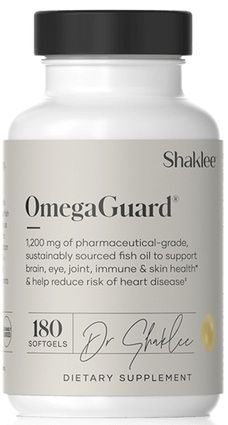
Fat has had a complicated reputation over the years, but science has made one thing clear: not all fats are created equal. Fatty acids, particularly the essential ones your body cannot produce on its own, play a critical role in nearly every system that keeps you healthy and functioning well. Understanding why they matter is the first step toward making sure you're getting enough of them.
What Fatty Acids Actually Do in Your Body
Fatty acids serve as building blocks for cell membranes throughout your entire body. Every single cell you have depends on healthy fats to maintain its structure and communicate properly with surrounding cells. Without adequate fatty acids, that process breaks down in ways that can affect everything from your skin barrier to your brain function.
Omega-3 fatty acids in particular have been studied extensively for their role in reducing inflammation. Chronic inflammation sits at the root of many modern health conditions, including heart disease, type 2 diabetes, and certain autoimmune disorders. Getting enough omega-3s through food or omega 3 supplements has been linked to lower triglyceride levels, better cardiovascular health, and improved mood and cognitive performance.
DHA, one of the primary omega-3 fatty acids, is especially concentrated in the brain and eyes. It supports memory, focus, and visual acuity, making it particularly important during pregnancy, early childhood, and aging. Visit the website to discover omega 3 supplements that support your daily wellness, balanced nutrition, and long-term health goals.
How to Make Sure You're Getting Enough
Fatty fish like salmon, mackerel, and sardines are among the richest food sources of omega-3 fatty acids. Flaxseeds, chia seeds, and walnuts offer plant-based options, though the body converts these less efficiently than the omega-3s found in fish.
For people who don't eat fish regularly or have higher nutritional needs, omega 3 supplements offer a reliable and convenient way to bridge the gap. When choosing a supplement, look for one that specifies the amounts of EPA and DHA it contains, and opt for a brand that has been third-party tested for purity.
Making fatty acids a consistent part of your diet is one of the simplest investments you can make in your long-term health.
Read a similar blog about personal care here at this page.